4 Mins Read
What Does Endometriosis Pain Actually Feel Like? (Beyond “Bad Period Cramps”)
If you’ve ever been told, “Period pain is normal,” yet your experience feels anything but normal, you’re not alone.
Many people with endometriosis spend years wondering if they’re simply not coping as well as everyone else. Some are told they’re overreacting. Others are treated for digestive problems, back pain, or bladder issues before anyone considers endometriosis.
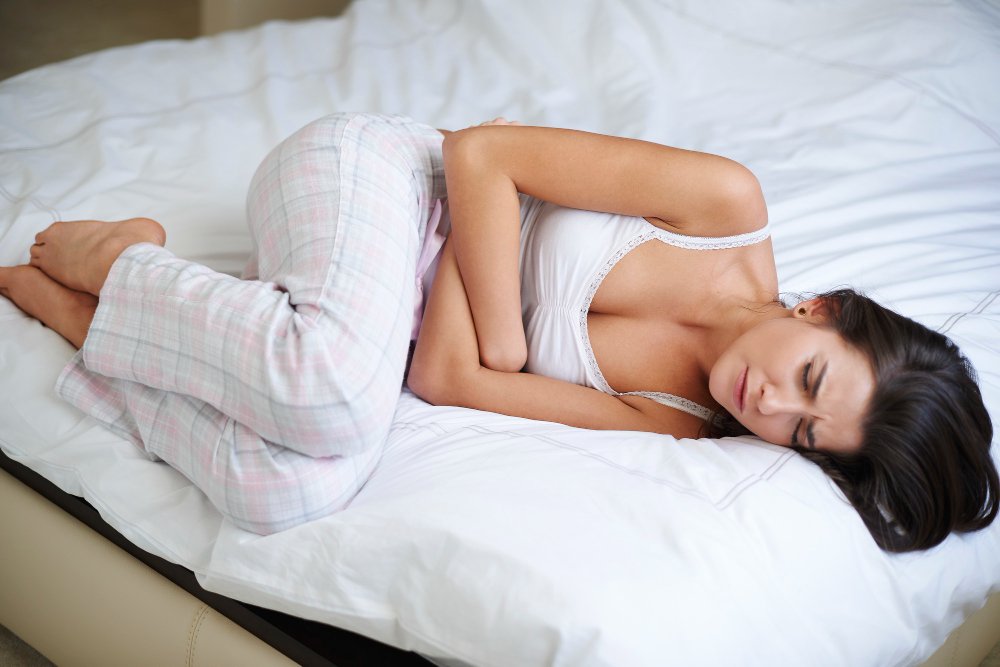
The reality is that endometriosis pain is often very different from typical menstrual cramps. It can affect the pelvis, bowel, bladder, lower back, hips, legs, and even daily activities like walking, exercising, having sex, or using the bathroom.
According to the World Health Organization (WHO), endometriosis affects around 1 in 10 women and individuals assigned female at birth worldwide, affecting roughly 190 million people. Yet the average time to receive a diagnosis is still 7 to 10 years, largely because symptoms are frequently dismissed or mistaken for other conditions.
Understanding how endometriosis pain feels and learning how to describe it clearly can help you recognize important patterns and have more productive conversations with your healthcare team.
Endometriosis pain is not simply “bad cramps.” It can involve inflammation, scar tissue, irritated nerves, and pain that affects multiple organs throughout the pelvis.
If you’re also exploring whether your symptoms could be related to another hormone condition, you may find our article “PCOS Explained: A Plain-Language Guide to Your Body, Hormones, and Health“ helpful.
What Is Endometriosis?
Endometriosis happens when tissue similar to the lining of the uterus grows outside the uterus.
These growths can develop on the:
- Ovaries
- Fallopian tubes
- Pelvic lining
- Bowel
- Bladder
- Ligaments supporting the uterus
- Less commonly, other areas of the body
Like the uterine lining, this tissue responds to hormonal changes during the menstrual cycle.
It can become thicker, break down, and bleed.
Unlike menstrual blood inside the uterus, however, this blood has nowhere to go.
Instead, it can trigger:
- Ongoing inflammation
- Swelling
- Scar tissue formation
- Adhesions (bands of scar tissue)
- Irritation of nearby nerves
These processes, not simply the lesions themselves, help explain why pain can become so severe.
Normal Period Cramps vs. Endometriosis Pain
| Feature | Typical Period Cramps | Endometriosis Pain |
|---|---|---|
| Timing | Usually, the first 1-2 days of a period | Before, during, after periods, or throughout the month |
| Pain location | Mainly the lower abdomen | Pelvis, bowel, bladder, lower back, hips, legs, rectum |
| Pain type | Cramping | Sharp, stabbing, burning, pulling, aching, throbbing |
| Daily activities | Usually uncomfortable but manageable | May interfere with work, school, exercise, sleep, or relationships |
| Response to pain medicine | Often improves | May persist despite common pain relievers |
| Other symptoms | Mild nausea or fatigue | Digestive symptoms, painful bowel movements, painful urination, painful sex, fatigue, bloating |
Everyone experiences pain differently, but pain that repeatedly prevents you from living your normal life deserves medical attention.
The Sensory Map: What Endometriosis Pain Feels Like
People living with endometriosis often describe sensations that are much more varied than simple cramping.
Deep Pelvic Pressure
Many people describe:
- A heavy feeling deep inside the pelvis
- Pressure similar to something pushing downward
- Constant aching between periods
Instead of coming in waves like menstrual cramps, this discomfort may linger for hours or even days.
Sharp Stabbing Pain
Some episodes occur suddenly.
Patients often describe them as:
- Knife-like pain
- Sharp stabbing sensations
- Electric jolts
- Sudden “catching” pain during movement
This pain may happen while walking, standing up, exercising, coughing, or changing position.
Burning Pain
Inflammation around pelvic nerves may create sensations similar to:
- Burning
- Tingling
- Hot needles
- Warm electrical pain
Burning pain may spread into the hips or upper thighs.
Internal Pulling or Tugging
Scar tissue (called adhesions) can cause organs to stick together.
Instead of moving freely, nearby organs may pull against each other.
Some people describe this as:
- “It feels like my organs are glued together.”
- “Something is pulling inside my pelvis.”
- “Stretching pain whenever I stand up.”
This pulling sensation is particularly common during movement.
Endometriosis Can Affect More Than the Uterus
Pain location often depends more on where lesions are located than on how many lesions are present.
Deep Infiltrative Endometriosis (DIE)
Deep infiltrative endometriosis is a more severe form where lesions grow deeper than 5 millimetres beneath the pelvic lining.
Instead of remaining on the surface, they may involve nearby organs, including the bowel, bladder, or pelvic ligaments.
This can create very specific pain patterns.
Bowel Pain (Dyschezia)
One of the most distinctive symptoms is dyschezia, meaning painful bowel movements.
People commonly describe:
- Sharp rectal pain
- “Lightning bolt” pain during bowel movements
- Sudden stabbing pain inside the rectum
- Pain that becomes much worse during menstruation
Some people refer to this informally as “butt lightning” because of how sudden and intense it feels.
Although this nickname is commonly used in patient communities, doctors usually describe the symptom as dyschezia or rectal pain associated with endometriosis.
Bladder Pain
If endometriosis affects the bladder, symptoms may include:
- Pain while the bladder fills
- Burning pelvic discomfort
- Pain during urination
- Increased urinary urgency around periods
These symptoms can sometimes resemble urinary tract infections, even when no infection is present.
Pain During Sex (Dyspareunia)
Deep pain during or after intercourse is another common symptom.
This is called dyspareunia.
Rather than discomfort at the vaginal opening, people often describe:
- Deep pelvic pain
- A sharp “hitting” sensation
- Pain that continues for several hours afterwards
- Pelvic aching the following day
Lesions involving the uterosacral ligaments or the Pouch of Douglas are common causes of this type of pain.
The Pouch of Douglas is the space between the uterus and the rectum, and it is one of the most frequent locations for deep endometriosis.
Why Does Endometriosis Pain Spread Into the Legs or Lower Back?
Not all endometriosis pain stays in the pelvis.
Chronic inflammation can irritate nearby nerves, and scar tissue can place tension on structures that normally move freely. In some people, lesions may affect nerves within the pelvis, including those connected to the sciatic nerve.
This can lead to neuropathic pain, meaning pain that follows the path of a nerve.
People often describe it as:
- Burning pain down one leg
- Shooting pain in the hips or buttocks
- Tingling or numbness
- Electric shock sensations
- Aching in the lower back that worsens during menstruation
Because these symptoms resemble sciatica or back problems, some people spend years seeing orthopaedic specialists before endometriosis is considered.
Endo Belly: More Than Ordinary Bloating
Many people with endometriosis experience dramatic abdominal bloating, often called Endo Belly.
Unlike mild bloating after a large meal, Endo Belly can develop rapidly and become severe enough that clothes no longer fit comfortably.
It may be accompanied by:
- Pelvic pressure
- Abdominal tightness
- Digestive discomfort
- Constipation or diarrhoea
- Increased pelvic pain
Researchers believe inflammation, bowel involvement, changes in gut movement, and increased sensitivity of the digestive system all contribute.
Endo Belly is a recognised symptom experienced by many people with endometriosis, although its exact causes can vary from person to person.
Why the Amount of Pain Doesn’t Match the Stage of Disease
One of the biggest misconceptions about endometriosis is that “more disease equals more pain.”
Current research shows this isn’t necessarily true.
Someone with Stage I (minimal) endometriosis may experience severe, disabling pain, while another person with Stage IV (extensive) disease may have relatively mild symptoms.
Why?
Pain depends on many factors, including:
- Where lesions are located
- Whether nerves are involved
- The amount of inflammation
- The presence of adhesions
- Individual differences in how the nervous system processes pain
This is why doctors should never judge the seriousness of symptoms based only on imaging results or the suspected stage of disease.
Your pain is real, regardless of what a scan shows.
Remember: Pain severity does not reliably predict the stage of endometriosis. Location and nerve involvement often matter more than the amount of visible disease.
Building a Specialist-Ready Pain History
Keeping a detailed pain record can help your healthcare provider understand patterns that may not be obvious during a short appointment.
Instead of writing “bad cramps,” try describing four key details.
Step 1: Describe the Type of Pain
Use words that best match what you feel.
Examples include:
- Sharp
- Stabbing
- Burning
- Pulling
- Aching
- Throbbing
- Cramping
- Electric
- Pressure
- Heavy
Step 2: Record the Location
Be as specific as possible.
Examples:
- Lower pelvis
- Right ovary area
- Left pelvic side
- Rectum
- Bladder
- Lower back
- Right thigh
- Hip
- Abdomen
Step 3: Record the Timing
Notice when symptoms occur.
For example:
- Before your period
- During menstruation
- After your period
- Around ovulation
- During bowel movements
- During urination
- During exercise
- During or after sex
Patterns over several cycles are often more useful than remembering a single painful day.
Step 4: Track Other Symptoms
Pain rarely occurs alone.
Also record:
- Bloating
- Fatigue
- Nausea
- Constipation
- Diarrhoea
- Bleeding patterns
- Pain medicine use
- Missed work or school
- Sleep disruption
A complete picture helps your healthcare provider understand how symptoms affect your daily life.
When to Speak With a Healthcare Professional
Painful periods should not be accepted simply because they happen every month.
Consider speaking with a healthcare professional if you experience:
- Pain that regularly stops you from working, studying, or caring for yourself
- Severe pelvic pain that is getting worse over time
- Pain during bowel movements or urination, especially during your period
- Deep pain during or after sex
- Pain that continues outside your menstrual period
- Persistent bloating, digestive symptoms, or unexplained fatigue alongside pelvic pain
Diagnosis often begins with a careful medical history and physical examination.
For some people, specialised transvaginal ultrasound (TVUS) or MRI performed by clinicians experienced in endometriosis can identify deep infiltrative disease before surgery.
However, laparoscopy with histological confirmation remains the gold standard for confirming endometriosis.
Frequently Asked Questions About Endometriosis Pain
Can endometriosis hurt even when I’m not on my period?
Yes. While many people notice symptoms around menstruation, pain can also occur during ovulation, bowel movements, sex, exercise, or at any point during the month.
Does severe pain always mean severe endometriosis?
No. Pain severity does not reliably match the stage of disease. Small lesions near sensitive nerves may cause significant pain, while more extensive disease elsewhere may cause fewer symptoms.
Why does pain travel into my legs?
Inflammation or lesions affecting pelvic nerves can cause pain to radiate into the hips, buttocks, or legs. This is known as neuropathic pain.
Is Endo Belly just bloating?
Not exactly. Endo Belly usually refers to severe abdominal bloating associated with endometriosis and may involve inflammation, bowel symptoms, and increased abdominal pressure.
Takeaways
- Endometriosis pain is often very different from typical period cramps.
- Pain may be sharp, burning, pulling, heavy, or feel like electric shocks.
- Symptoms can involve the bowel, bladder, lower back, hips, and legs—not just the uterus.
- Severe pain does not necessarily mean advanced disease.
- Tracking pain quality, location, timing, and associated symptoms can help support earlier recognition and more informed discussions with your healthcare team.
Reminder
Finding the right words to describe pelvic pain isn’t always easy.
The HeyTimi app helps you go beyond simply recording ‘cramps.’ You can log the exact type of pain (stabbing, burning, pulling, aching), pinpoint where it occurs, track bowel and bladder symptoms, monitor fatigue and bloating, and identify patterns across your cycle. HeyTimi supports education, self-tracking, and lifestyle organization. HeyTimi does not diagnose, treat, or cure disease. Over time, your symptom log creates an organized personal history that can support more productive conversations with your doctor
Disclaimer
The information in this article is for educational purposes only and is not a substitute for professional medical advice, diagnosis, or treatment. Always consult your doctor or a qualified endometriosis specialist regarding any medical condition or severe pelvic pain.
Medical Sources Referenced
- World Health Organization (WHO). Endometriosis Fact Sheet.
- World Endometriosis Research Foundation (WERF). Global Consensus on the Management of Endometriosis.
- American Society for Reproductive Medicine (ASRM). Diagnosis and Management of Endometriosis: A Committee Opinion.
- European Society of Human Reproduction and Embryology (ESHRE). Guideline: Endometriosis (2022).